
How to Build a More Efficient K-12 School Kitchen: 4 Key Questions to Ask
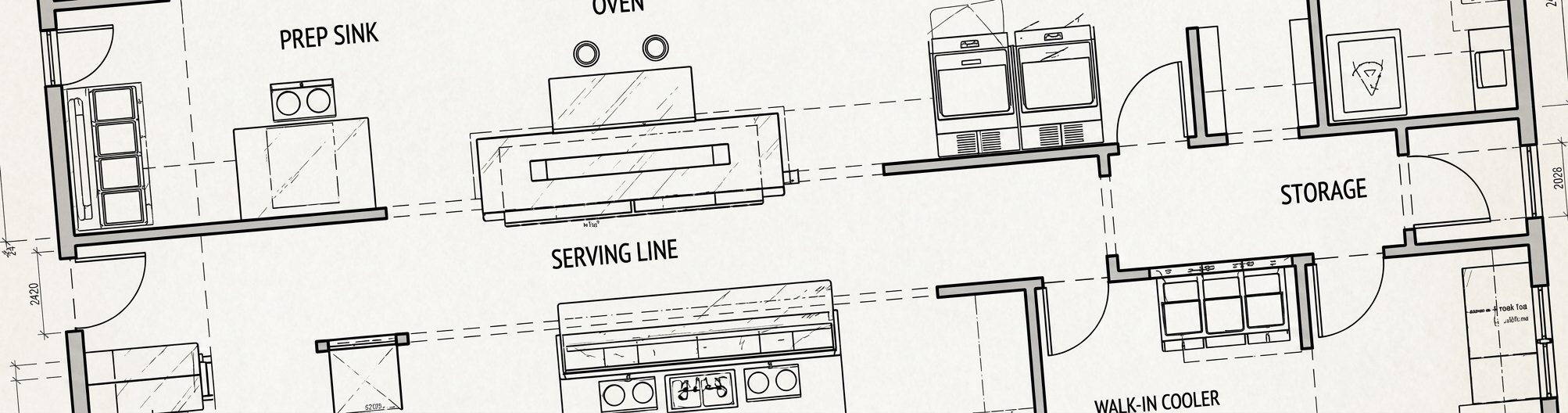
A well-designed school kitchen doesn’t just serve daily meals. Whether part of a new build or a full-fledged renovation, modern K-12 kitchens can fuel student achievement and serve as the beating heart of your campus for decades.
A new kitchen is also a great opportunity to optimize workflows and create a better work-life for staff, which will help improve long-term retention and a most sustainable culinary program. By asking the right questions and choosing the right equipment and partners, you can build a K-12 kitchen that delivers immediate results and long-lasting value.
But before drawing up plans, ask these 4 essential questions to ensure a smart and future-ready investment.
1. How do I secure funding for my K-12 school kitchen renovation or new build?
Position the kitchen as a mission-critical space that impacts student health, academic outcomes, and operational efficiency. School kitchens often compete for funding with classrooms, labs, and other capital projects.
To stand out:
- Use data to highlight the return on investment.
- Emphasize how modern school kitchen equipment helps reduce energy costs and food waste.
- Show how better meals improve student focus, attendance, and classroom performance.
- Connect your kitchen to broader educational goals, like culinary programs or farm-to-school initiatives.
2. Is my school’s infrastructure ready for modern kitchen equipment?
Older buildings often need upgrades in plumbing, gas, electricity, and ventilation to support today’s high-performance equipment. Before finalizing any kitchen design, conduct a full infrastructure assessment with your facilities and engineering teams.
Consider:
- Electrical capacity for combination ovens and refrigeration
- Ventilation needs for proper airflow and compliance
- Plumbing for dish machines and cooking units
- Space constraints and flow efficiency
3. How can I keep my kitchen construction project aligned from start to finish?
Kitchen construction projects involve many moving parts, and even more people. With input from architects, consultants, administrators, foodservice staff, facilities teams, and contractors, it’s easy for details to get lost in translation.
Without clear coordination, projects can quickly veer off course, leading to:
- Costly change orders
- Delays in construction timelines
- Functionality issues that aren’t discovered until after the build is complete
To keep everything on track, assign a project lead to be responsible for managing communication between all stakeholders, ensuring decisions are documented, and keeping the team aligned around the shared vision.
4. What are the best kitchen equipment options for new K-12 schools?
Creating a high-performing school kitchen starts with selecting equipment that boosts staff productivity, supports nutritious meal prep, and saves on long-term operational costs.
Here’s a breakdown of equipment K-12 foodservice decision-makers should consider for a more efficient kitchen:
- Serving Equipment that Improves the Student Experience
- Kelvinator Commercial Milk Cooler: Students can easily grab cold milk (or other beverages) to help with the flow of lunchtime. A must-have for any school kitchen.
- Randell Serving Counter: Beautiful, functional serving lines that reduce wait times, hold food at proper temps, and elevate visual appeal to make a splash with your new cafeteria.
- Refrigeration that Keeps Food at Proper Temperatures
- Kelvinator Commercial Reach-Ins: Quickly access frequently used ingredients and prepared foods, knowing they stay at safe temperatures with 24/7 cooling.
- Randell Refrigeration: From blast chillers to prep tables, Randell is known for energy-efficient refrigeration that saves on utility costs.
- Cooking Equipment that Does More with Less
- thermaline ProThermetic Braising and Boiling Pan: With up to 1,000 programmable recipes and pinpoint temperature control, this versatile machine from Electrolux Professional is a great option for schools looking for pressurized cooking.
- Electrolux Professional SkyLine Combi Oven: This intelligent oven features AI-driven settings and low energy usage, which helps schools modernize their kitchen with consistent results.
- Groen SmartSteam® Pro Steamer: Highly popular in K-12 schools, these touchscreen-controlled steamers use significantly less water, helping schools meet sustainability goals without compromising meal quality.
- Groen Braising Pan: Your kitchen becomes much more flexible with this one braising pan, which can braise, sauté, roast, steam, boil, and more, while maintaining consistent cooking quality.
- Ventilation that Protects Your Kitchen
- Avtec Hoods: Remove grease, smoke, and steam and improve air circulation. Better ventilation protects staff health and extends equipment life in hardworking school kitchens.
- Cleaning Equipment that Saves Time and Labor
- Power Soak Ware-Washing System: Replace manual scrubbing with continuous motion cleaning that gets pots and pans sparkling clean, freeing up staff to focus on other tasks.
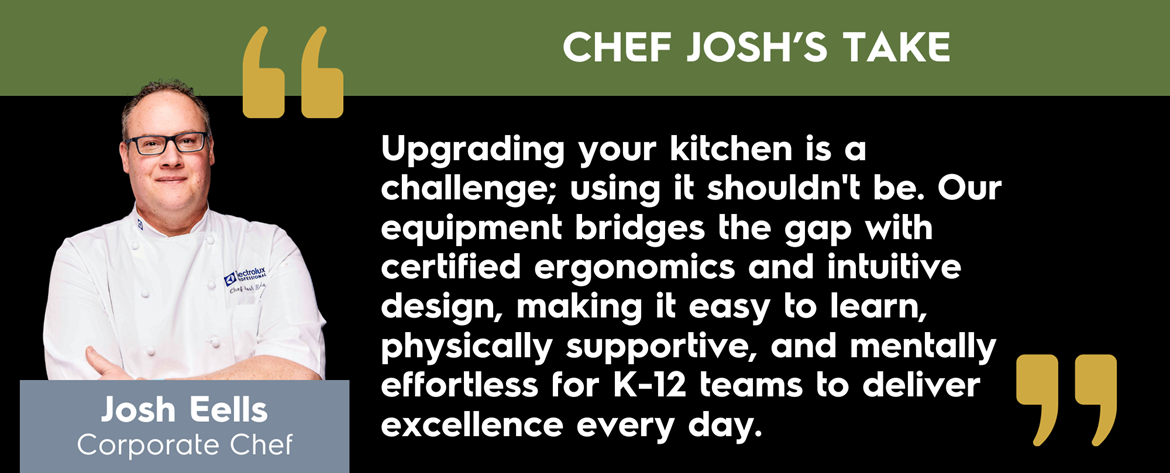
Why does your equipment manufacturer matter?
Choosing the right school kitchen equipment partner is critical. A trusted provider who has deep experience in the building of new school kitchens can:
- Guide you through planning and design, such as ensuring utilities are correctly specified for new equipment
- Recommend the best equipment for your goals and budget
- Ensure compliance with local codes and school foodservice regulations
- Provide training and support after installation