
4 Factors to Consider When Upgrading Your K-12 Kitchen Equipment
As school buildings age and technology evolves, upgrading your K-12 kitchen equipment is about more than replacing what's broken.
It's about reimagining how your kitchen can serve students better, operate more efficiently, and meet tomorrow’s demands. With careful planning and the right equipment partners, even the most space-constrained or outdated kitchens can transform into high-performance hubs of nutrition and efficiency.
As you research your options, consider these 4 factors to make the right investment in the future of student nutrition, staff efficiency, and your kitchen’s long-term performance.
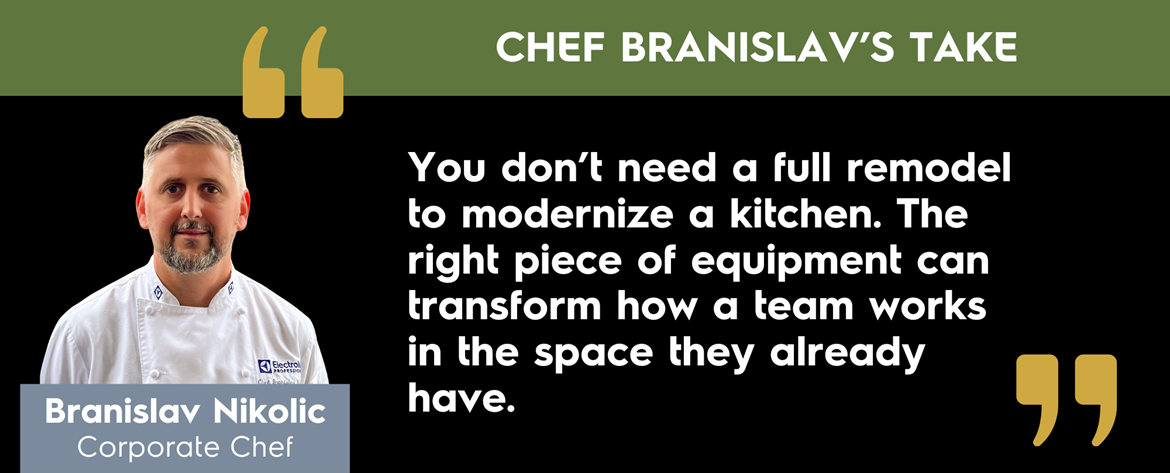
What role does infrastructure play in a K-12 school kitchen equipment upgrade?
Modern equipment may promise powerful performance, but you need the right utilities to achieve your upgrade. Many older schools have outdated plumbing, electrical, or HVAC systems that require retrofitting to support newer, more powerful units. If done properly, equipment upgrades can improve energy efficiency and water savings, and decrease the long-term operational costs, including repair and replacement costs down the line.
Solution: Conduct a full infrastructure audit to assess compatibility. Upgrading your equipment without upgrading your systems could lead to inefficiencies—or worse, failures. Electrolux Professional Group Customer Care can help you ensure your utilities are correctly specified to avoid costly installation issues.
How can you make the most of your space and layout in your school kitchen?
Many school kitchens were never designed with today’s equipment or foodservice demands in mind. Tight quarters, awkward layouts, or minimal storage space can make installing new equipment a logistical puzzle.
Solution: Compact, multi-functional equipment saves space and expands your capabilities. For example:
- Groen SmartSteam® Pro Steamer: This powerful, stackable steamer is ideal for bulk cooking healthy food for students and offers significant water savings compared to traditional steamers.
“It’s been an absolute pleasure to use the SmartSteam® Pro. My team and I absolutely love it.”
— Chef Billy Barrett, Piney Branch Golf Club
- Electrolux Professional SkyLine Combi Oven: Thoughtful design and smart technology help create a versatile piece of cooking equipment that lets you cook more menu options in less space.
How will new equipment reduce staff workload and support training?
New equipment often introduces advanced features, such as programmable settings, energy monitoring, or AI-assisted cooking. If your staff isn’t trained to use it effectively, you may not see the full return on your investment.
Solution: Choose equipment with intuitive, user-friendly operation that also helps maintain safety and cleanliness standards.
- Electrolux Professional Bermixer Pro: This handheld and portable mixer quickly blends soups, purees, sauces, creams, and whipped egg whites. Plus, it’s quick and easy to clean.
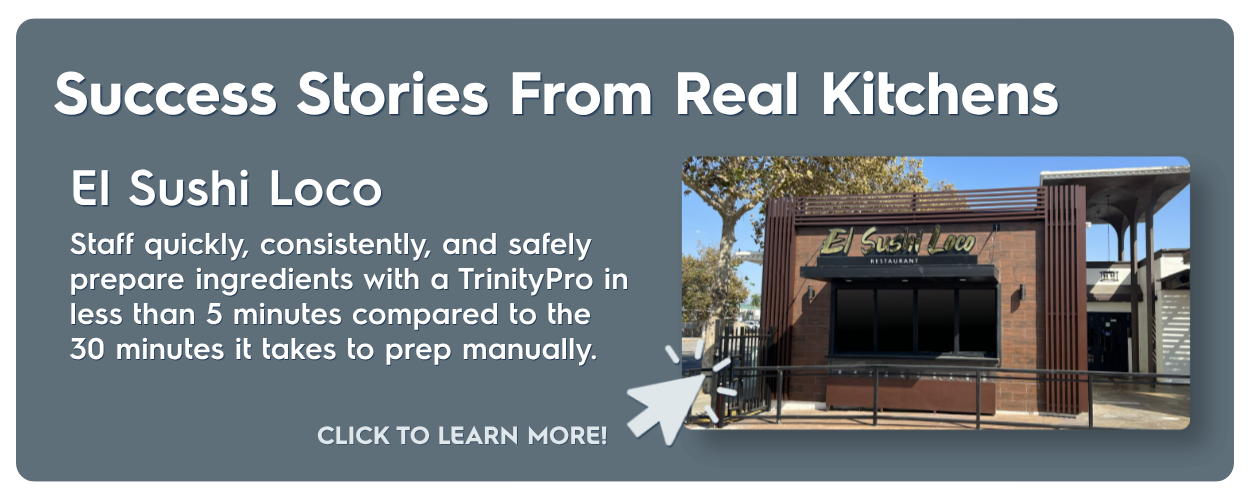
- Electrolux Professional TrinityPro: Small but mighty, the TrinityPro speeds up your prep by effortlessly (and safely) chopping and combining ingredients. It’s a simple upgrade with a huge impact.
How can you create a more flexible K-12 school foodservice program?
You can serve meals not just in cafeterias, but in classrooms, courtyards, and even at sporting events. Flexibility is key.
Solution: Incorporate mobile, modular equipment like:
- Randell Mobile Cart: Serve meals anywhere, whether in hallways, classrooms, or sporting events. Plus, you can reduce cafeteria crowding with a strategically placed lunchtime mobile cart.

- Groen Braising Pan: Multi-functional cooking equipment like this improves your K-12 program’s menu flexibility. You can easily switch between several cooking methods without needing separate equipment.
Looking for more insights into K-12 foodservice?
Explore these articles:
- Scratch vs. Pre-Prepared Cooking: What Is Right for Today’s School Kitchens?
- How to Build a More Efficient K-12 School Kitchen: 4 Key Questions to Ask